Seoul offers a wide range of accommodation to suit every traveller and budget, from five-star luxury hotels to charming traditional guesthouses. Comparing luxury hotels vs budget hotels in Seoul comes down to what matters most to you: the comfort and prestige of a well-located five-star stay, or the affordability and central convenience of a budget guesthouse. For something different, a homestay or temple stay offers a deeper cultural experience beyond the standard hotel room.
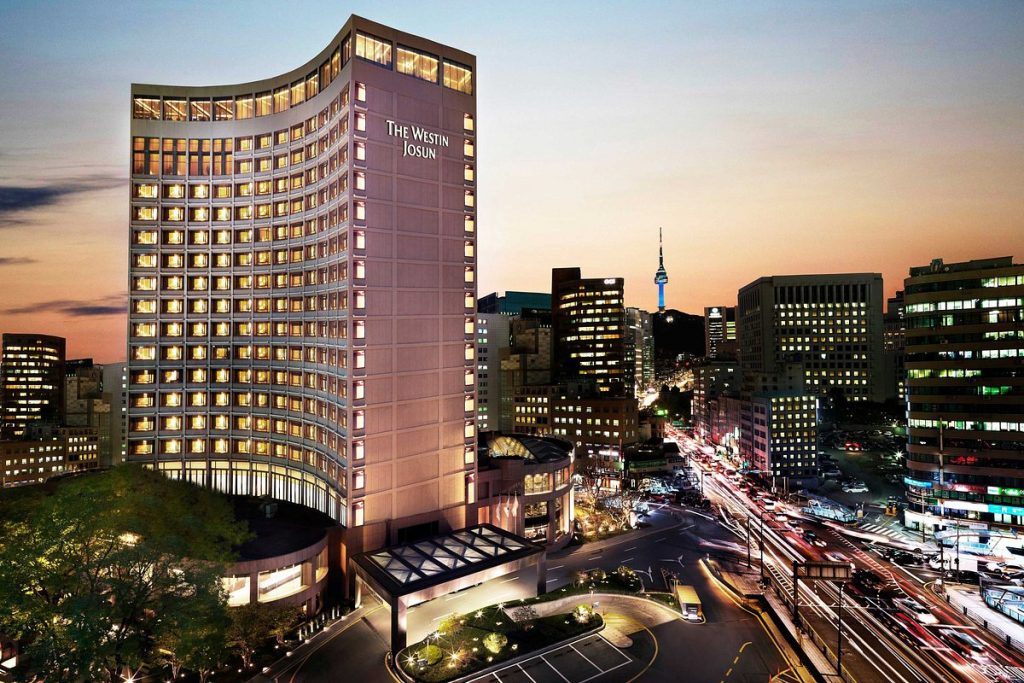
Westin Josun Seoul
Luxury Hotels
Seoul is home to some of Asia’s most prestigious luxury hotels, ranging from internationally branded five-star properties to elegant heritage hotels with over a century of history. The Westin Josun Seoul, which opened in 1914, is Korea’s oldest hotel and offers an unbeatable central location near major attractions, while properties such as the Conrad Seoul in the Yeouido International Finance Centre offer panoramic Han River and city skyline views with high-tech amenities and floor-to-ceiling windows.
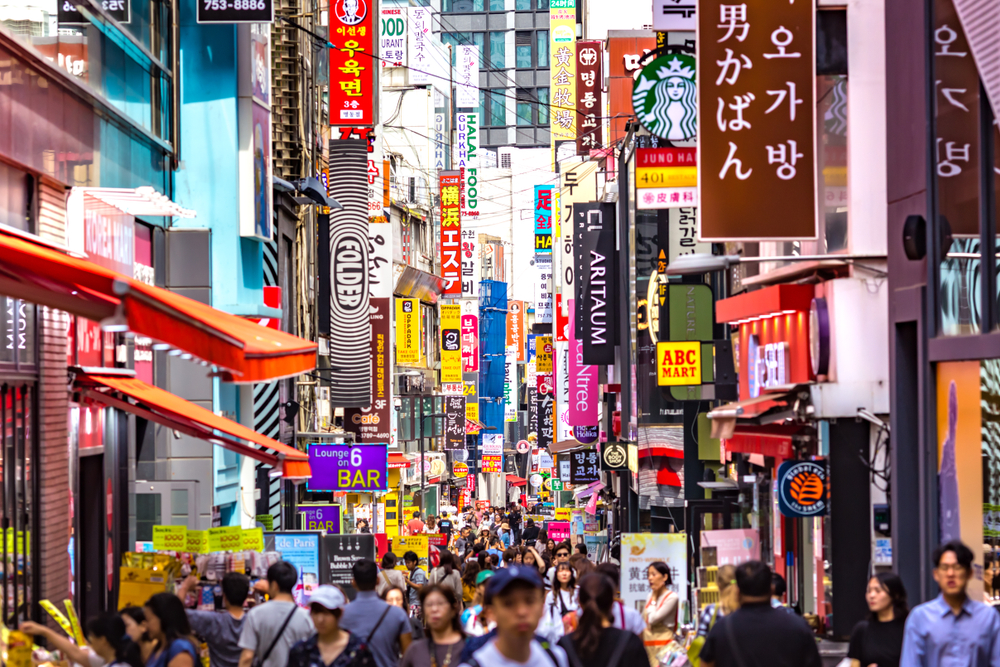
Myeongdong
Budget Hotels
For travellers seeking comfortable accommodation at a lower price point, Seoul offers an excellent range of budget hotels and guesthouses, particularly in the popular districts of Hongdae, Myeongdong, and Insadong. Hongdae, in particular, is known for its affordable guesthouses, cafes, and lively atmosphere, with budget hotels typically costing between ₩60,000 and ₩100,000 per night (around $45–70 USD). Most budget guesthouses include free Wi-Fi and breakfast, and their central, well-connected locations near subway stations make them an easy and economical base for exploring the city.
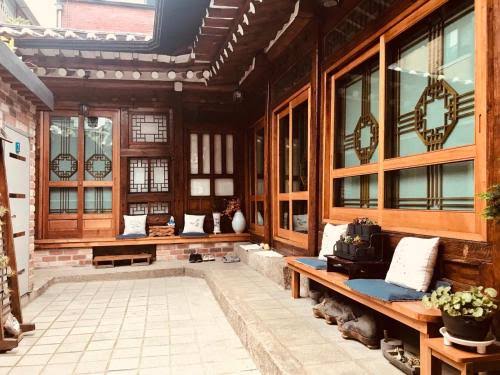
Hanok guesthouse
Homestays
For visitors wanting a more local, immersive experience, a homestay or traditional Hanok stay offers a glimpse into authentic Korean living rather than a standard hotel room. Hanok houses are traditional Korean homes, often centuries old, featuring timber framing, paper-screen doors, and traditional underfloor heating, and many in neighbourhoods like Bukchon and Ikseon-dong have been converted into guesthouses for tourists. Staying with a local host or in a Hanok guesthouse gives visitors the chance to experience Korean hospitality and daily customs firsthand, often including home-cooked Korean breakfasts and guidance on local neighbourhoods that guidebooks don’t always cover.
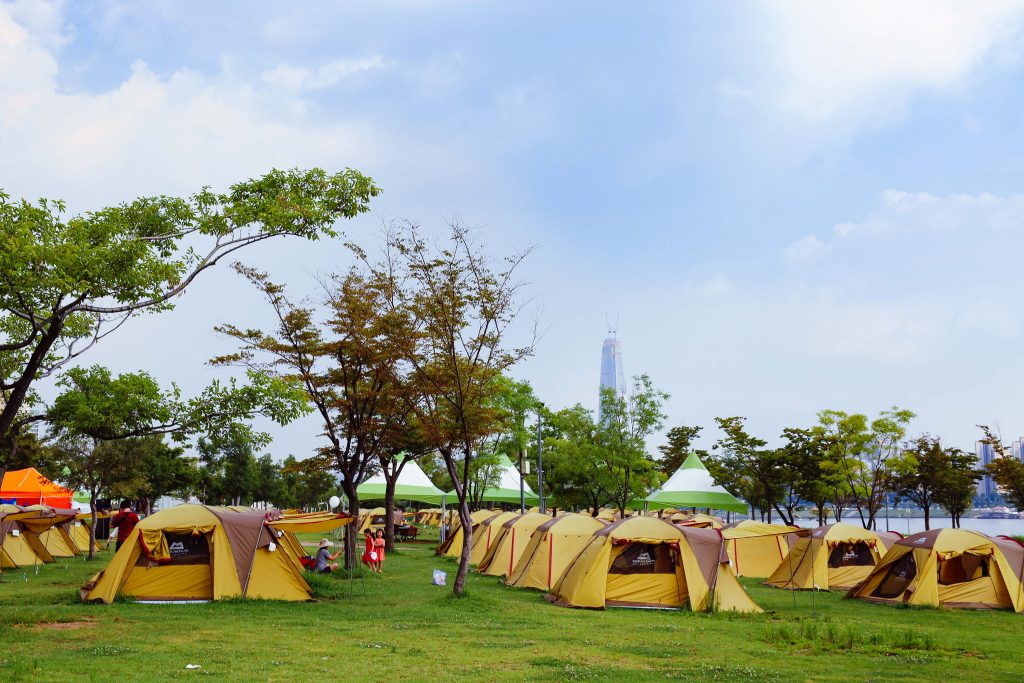
Hangang Park Camping
Camping
Seoul’s camping culture is a uniquely urban experience, with several well-equipped campgrounds located within Hangang Park along the Han River, including Nanji Camp Ground, which boasts excellent river views, modern facilities, and a nearby ecology park, and Noeul Camp Ground, opened in 2012 with around 100 camping points, many fitted with barbeque pits, power outlets, and heated pads for the cooler months. These city campgrounds typically provide showers, drinking water, picnic tables, and on-site convenience stores, allowing visitors to enjoy an outdoor experience and riverside views without leaving the city.
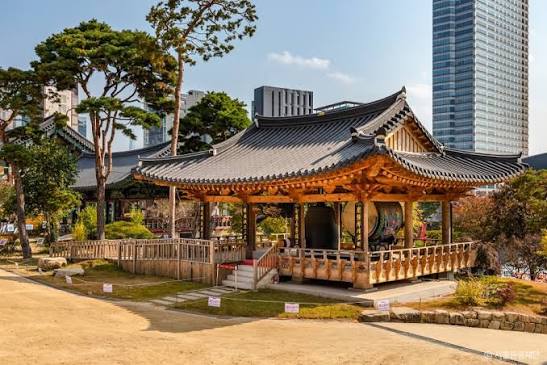
Bongeunsa Temple
Temple Stay
For a deeply cultural alternative to standard accommodation, a temple stay allows visitors to experience daily life as a Buddhist monastic, even for just a short visit. Templestay programs typically include a Buddhist service, meditation, the 108 prostrations, and communal work, with some programs also covering monastic meal offerings and tea ceremony rituals. Bongeunsa Temple in Gangnam and Hwagyesa Temple on the city’s outskirts both offer overnight temple stay programs in Seoul, making it possible to enjoy this tranquil, reflective experience without leaving the capital.